

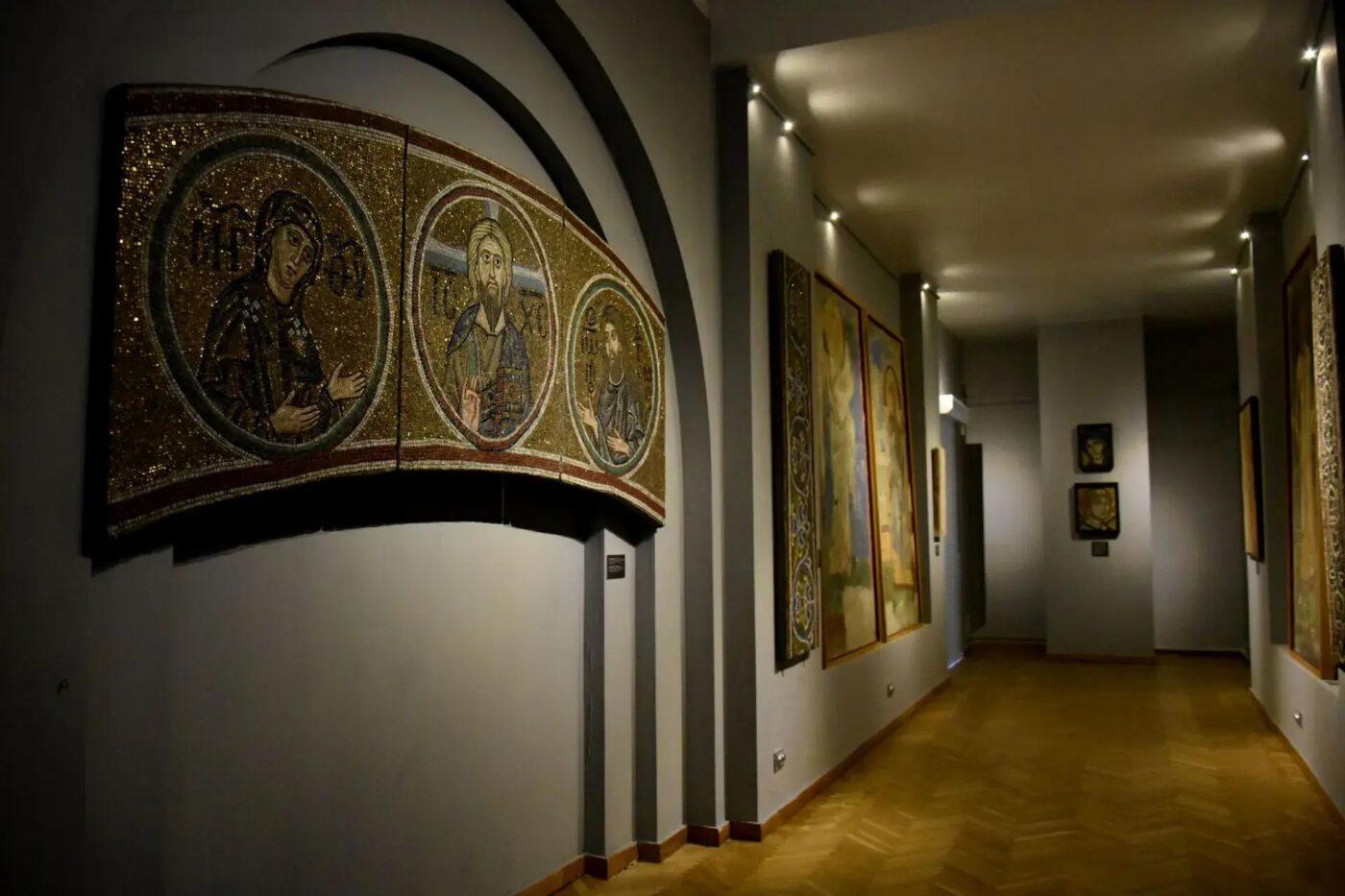
In its activities, the National Museum of History of Ukraine (hereinafter referred to as the NMIU) is guided by the provisions of the NMIU Statute (new edition), approved by the order of the Ministry of Culture and Information Policy dated May 18, 2020 No. 1790, as well as the principles set forth in the Convention of the UN General Conference on Education, Science and Culture “Concerning the Protection of the World Cultural and Natural Heritage” (Paris, 1972), ratified by the Decree of the Presidium of the Verkhovna Rada of Ukraine No. 6673-ХІ of October 4, 1988, the UNESCO Convention “On Measures to Prohibit and Prevent the Illicit Import, Export and Transfer of Ownership of Cultural Property” (Paris, 1970) and the ICOM Code of Museum Ethics (Seoul, 2004), according to which:
- illegally excavated objects are considered by the NMIU as stolen;
- the owner of a cultural object that has been stolen is obliged to return the object;
- the museum does not accept any object or specimen without a valid document confirming ownership. Appropriate due diligence should establish the full history of the object from the moment of its discovery or creation;
- The museum shall not accept any object or specimen if there is reason to believe that it may have originated from unauthorized or unscientific field research, deliberate destruction or damage to monuments;
- Such an object or specimen shall also not be accepted if the owner or current occupant of the land, or the competent authorities or government agencies, have not been notified of the find.
The NMIU shares the principles of the 1970 UNESCO Convention, according to which cultural property is considered one of the fundamental elements of civilization and culture of peoples and acquires its true value only when its origin, history and environment are accurately known; each state is obliged to protect the heritage consisting of museum property located on its territory.
However, the museum considers that damage to or loss of any samples of cultural property or the natural environment is a detrimental impoverishment of the heritage of all peoples of the world, since some values of cultural and natural heritage are of significant interest, requiring their preservation as part of the world heritage of all mankind.
Therefore, in exceptional cases:
- a museum may be an authorized temporary repository for objects or samples of unknown origin, illegally collected or confiscated, pending an official investigation and a decision on their further fate (ICOM Code, paragraph 2.11);
- exceptional collection or exhibition by a museum of an object of unknown origin is permitted if it represents an outstanding contribution to knowledge and its preservation is in the interests of society (ICOM Code, paragraph 3.4).